Deploying modular enterprise design systems represents the paramount operational infrastructure investment for modern high-growth organizations, radically accelerating digital product shipping velocity, extinguishing compounding design debt, and delivering unassailable balance-sheet ROI. As multinational enterprises scale across distributed regional offices, disjointed development teams inevitably author fragmented button styles, rogue typographic hierarchies, and conflicting color codes. An authoritative, tokenized enterprise design systems architecture restores institutional discipline, consolidating disparate visual assets into an immutable single source of truth.
Table of Contents
Empirical Enterprise Design Systems Methodology and Architecture
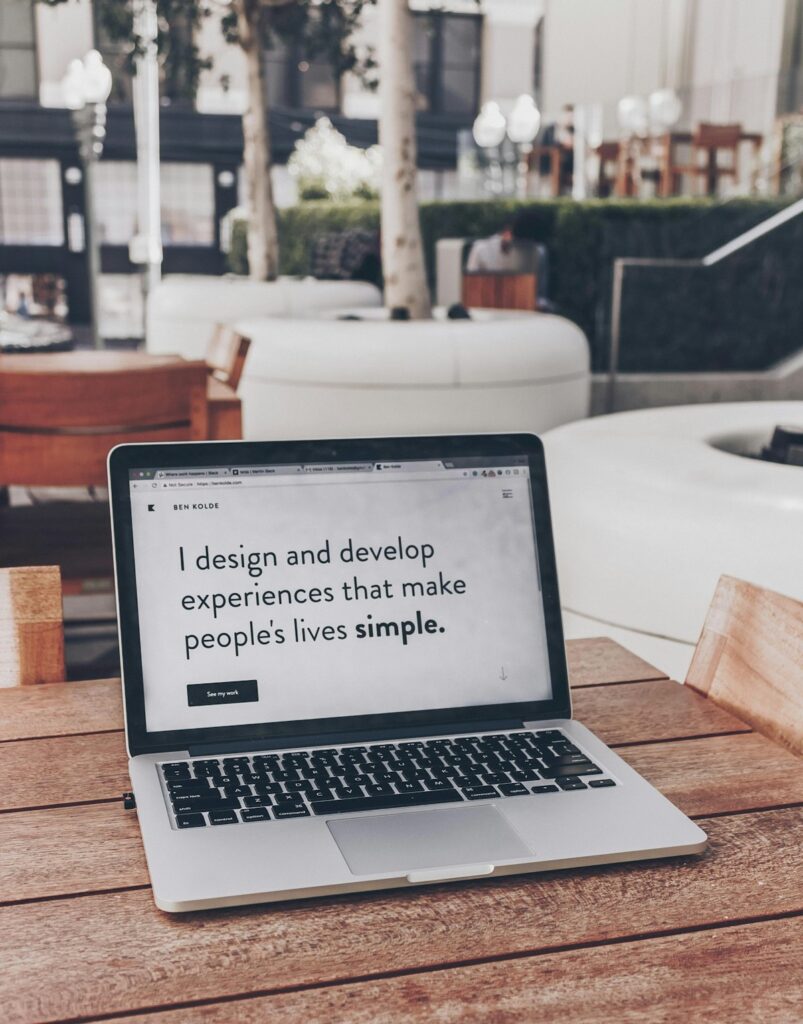
In conventional corporate workflows, engineering teams code user interfaces from scratch for every novel campaign landing page or software feature. This redundancy burns thousands of expensive engineering hours and bloats production codebases with performance-degrading CSS files. Conversely, structured enterprise design systems construct digital user interfaces via atomic principles—standardizing foundational design tokens, buttons, modal dialogs, and navigation grids within cloud-hosted Figma libraries connected directly to production Git repositories.
The measurable commercial advantages of institutionalizing enterprise design systems include:
- 3x Acceleration in Time-to-Market: Assembling pre-approved, accessible components enables distributed marketing and product desks to launch enterprise features in hours rather than months.
- Absolute Brand Equity Preservation: Enforcing total visual consistency across mobile viewports, marketing microsites, executive portals, and customer communications.
- Drastic Software QA Overhead Reduction: Eliminating recurring frontend regression bugs by standardizing thoroughly tested, battle-hardened UI components.
- Automated Accessibility Compliance (WCAG AAA): Hardening contrast ratios and screen-reader accessibility rules into base tokens, eliminating regulatory exposure.
- Linguistic Engineering Alignment: Establishing unified terminology across UI designers, product managers, and software engineers via semantic design tokens.
Empirical Case Study: Engineering Velocity Transformation
In an enterprise engagement orchestrated by Dugento for a cross-border Mediterranean financial group operating across four nations, we engineered custom enterprise design systems unifying over 70 software developers. Utilizing automated Figma-to-CSS design token pipelines, average campaign deployment timelines plummeted from 21 days to under 4 days. The initiative recaptured an estimated 5,200 annual engineering hours while increasing digital conversion rates by +26% due to cohesive visual trust.
To engineer an enterprise-grade component architecture for your organization, review our corporate identity and design systems services or schedule an executive consultation with our design architecture practice.
The 4-Stage Design System Implementation Roadmap
To successfully transition your organization to an authoritative design system, execute four operational phases:
- Phase 1: Comprehensive UI Inventory & Visual Forensics: Catalog all disparate interface components, typographic scales, and color hex variations across enterprise web properties.
- Phase 2: Semantic Design Tokenization: Define foundational design tokens representing spatial geometry, semantic color physics, and dynamic typography rules.
- Phase 3: Resilient Component Construction: Build modular, interactive Figma component suites equipped with comprehensive state variations (Hover, Active, Error).
- Phase 4: Living Documentation & Governance: Publish an accessible digital Brand Portal governing acceptable component deployment across distributed teams.
The Compounding Value of Institutional Velocity
In conclusion, deploying enterprise design systems is not a cosmetic initiative; it is the definitive engineering operating system driving enterprise agility. Organizations anchored by systematic visual infrastructure consistently out-innovate and out-ship competitors mired in design fragmentation. Dugento stands ready to architect your organization’s enduring visual operating system.
End-to-End Enterprise Governance & Agile Delivery
At Dugento, every client engagement is governed by uncompromising international performance benchmarks, rigorous system architecture, and fortified digital resilience. Our senior strategists and technical architects operating across Istanbul and Nicosia partner directly with executive leadership to accelerate transformation, eliminate operational friction, and secure defensible market authority. Through empirical metric tracking, agile sprint cadences, and continuous deployment methodologies, we turn ambitious digital roadmaps into permanent enterprise value.
Sustainable Brand Equity & Multi-Touchpoint Cohesion
In fragmented digital channels, brand inconsistency directly degrades customer lifetime value and enterprise valuation multiples. Our creative direction and engineering practice establishes unbreakable governance across web interfaces, executive presentations, broadcast media, and experiential activations, ensuring every dollar invested in visual and technical production compounds into enduring institutional equity. For evidence-based usability heuristics, cognitive load principles, and interface scalability architectures, consult Nielsen Norman Group.
Empirical Impact, Technology Stack & Cross-Market Scalability
We ground every corporate engagement in tangible financial returns, category dominance, and heightened operational velocity. Leveraging modern enterprise software stacks, high-performance cloud infrastructure, and collaborative cross-functional workflows, Dugento empowers ambitious regional brands to compete effortlessly against global category leaders. Whether engineering an international market entry or consolidating multi-brand portfolios, our integrated team provides relentless strategic execution.